The Genuine Guide to SEO in 2026:
Quick Overview: What You'll Learn
If you’re short on time, here’s what this guide covers:
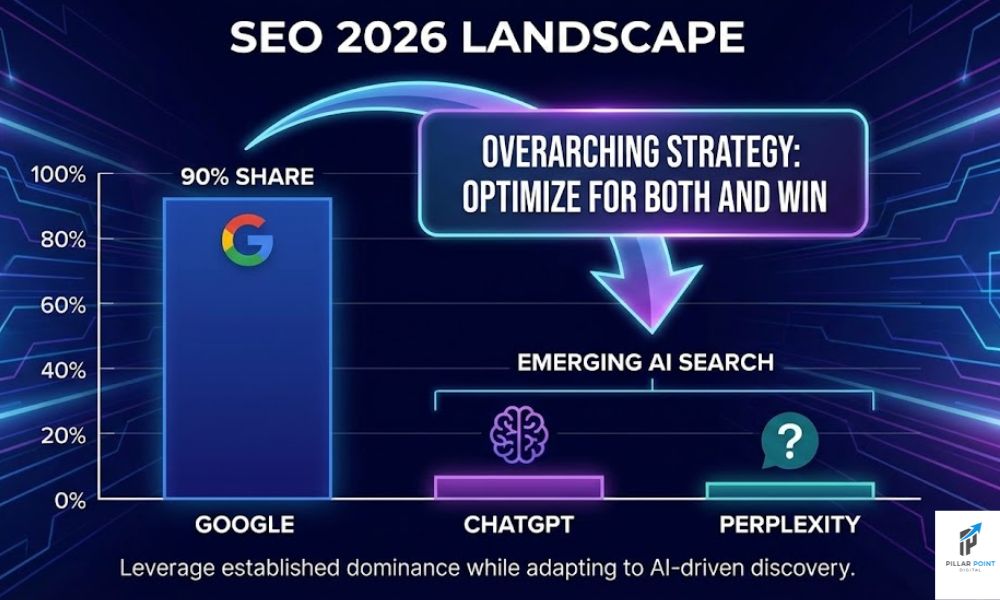
✓ Is SEO dead? No. Google still owns 90%+ market share. SEO evolved, it did not die
✓ Biggest change in 2026: EEAT (Experience, Expertise, Authoritativeness, Trust) is now #1 ranking factor
✓ AI’s real impact: Not as scary as the hype. Optimize for Google, you’ll show up in ChatGPT and the rest
✓ What still works: Quality content, backlinks, technical SEO, keyword research
✓ What’s new: Video SEO, human content beats AI slop, CTR-optimized titles
✓ What to avoid: AI content at scale, black hat link building, ignoring mobile
✓ Timeline: 90-day action plan included
Reading time: 20 minutes | Word count: >5,000 words (sorry)
Who this is for: Small business owners, marketing managers, founders doing their own SEO
Why trust this guide: Written by someone actually running SEO campaigns for real clients right now (not theory).
I’m not going to sugarcoat it.
If you’re doing SEO the same way you did in 2023, you’re a little behind. But before you panic—SEO isn’t dead. Far from it. It’s just evolved faster in the past 12 months than it has in the previous decade.
I run Pillar Point Digital, a small digital marketing agency I recently launched after spending the last 6+ years in agencies. We manage SEO and Google Ads for clients selling everything from golf clubs to engagement rings to legal software. I’m in the trenches every day, and I’m watching what actually works versus what the “gurus” claim works.
Here’s what I know for certain:
The fundamentals still matter, in some ways more than ever. Keywords, backlinks, technical SEO—they’re all still relevant.
But execution has changed dramatically. EEAT is now the #1 ranking factor. AI-generated content is starting to fail despite the changes Google has made in their guidelines over the last 3 years. Human experience beats theoretical knowledge.
And here’s the opportunity nobody’s talking about: Because everyone’s confused or chasing AI Overview or GEO hype, small businesses that get this right can outrank major brands.
One of our clients, a solo jewelry designer, is ranking ahead of nationwide retailers. Why? She writes from real experience. She shows her work. She proves expertise and builds trust in her market.
This guide is what I wish someone had shown me 20 months ago. Real talk, real examples, real tactics.
Let’s get to work.
Part 1: Is SEO Dead? The Real Answer
Let me address the elephant in the room: No, SEO is not dead.
Yes, AI Overviews appear at the top of search results. Yes, some people use ChatGPT instead of Google. Yes, this matters.
But here’s the data: Google still owns over 90% of search market share. That hasn’t changed. Over time it may, but as of now let’s pump the brakes on the takeover.
What HAS changed is how Google presents results and what it rewards.
What I’m Seeing in Real Client Accounts
When AI Overviews launched, we monitored traffic across all our client accounts. Here’s what actually happened:
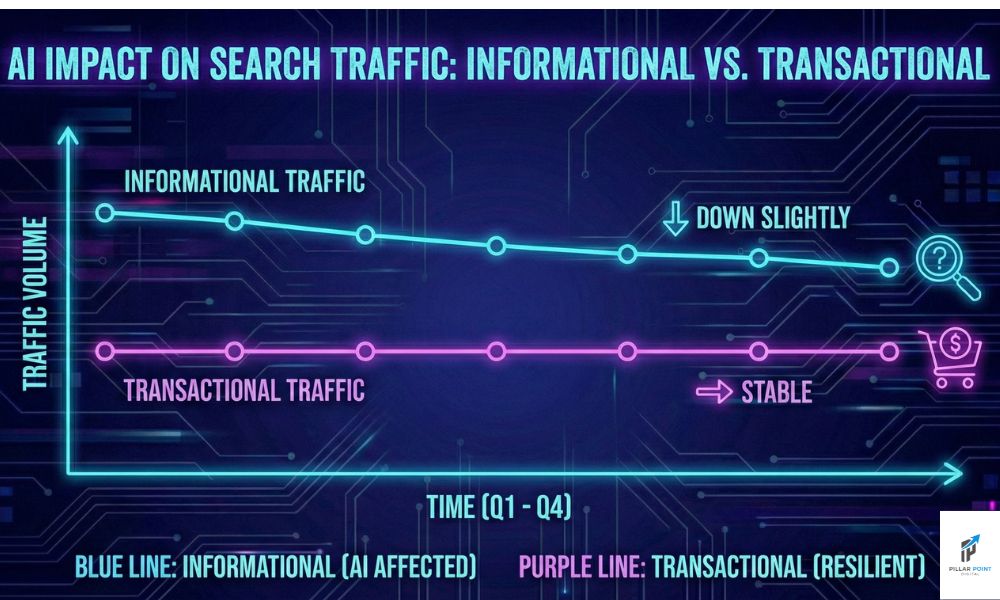
Informational content: Lost 10-20% of clicks (AI answers the question, fewer click-through)
Transactional content: Mostly unaffected (people still need to buy, AI can’t complete purchases…Yet Shopify Agentic Storefronts rolls out late January)
Local content: Nothing unaffected (AI can’t be a local expert)
Overall organic traffic? Still growing for clients with quality content.
The sky isn’t falling. You just need to adapt.
The Real Shift: E-E-A-T Is Everything Now
Here’s what changed: Google can now detect whether you actually know what you’re talking about.
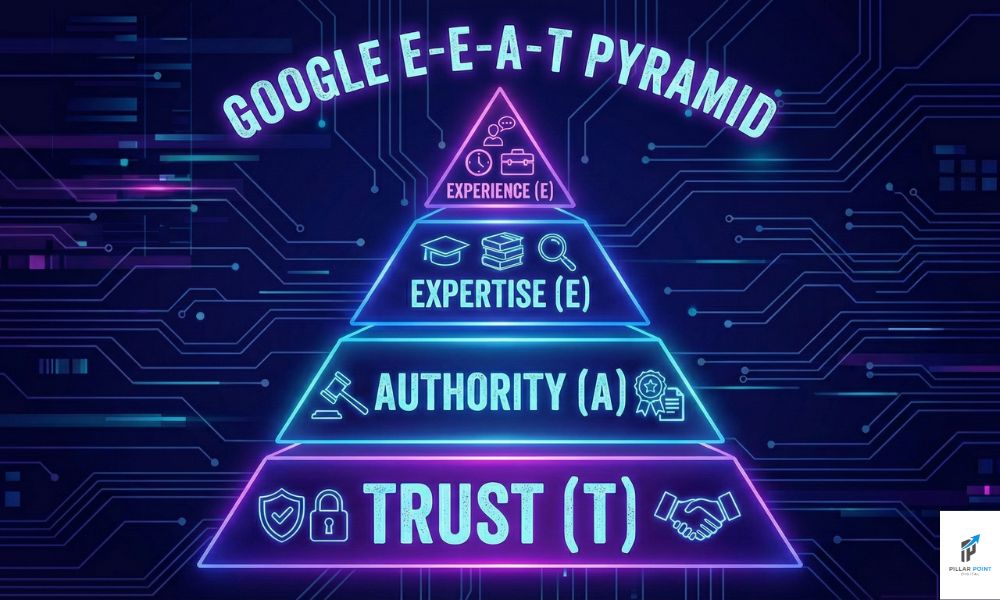
EEAT stands for:
Experience – Have you done the thing you’re writing about?
Expertise – Do you have genuine knowledge in this area?
Authoritativeness – Are you recognized as a leader?
Trustworthiness – Can people trust your information?
Why does this matter? Because Google is drowning in AI-generated content. They need signals to identify genuine expertise.
Part 2: What Still Works
Don’t throw out everything you know. These fundamentals still matter—you just need to execute them better.
1. Keyword Research (But Smarter)
People still search with specific words. Keyword research still matters.
But in 2026, focus on keywords where: – You can demonstrate E-E-A-T – AI won’t completely steal the click – You can actually help people.
Keywords That Still Drive Traffic:
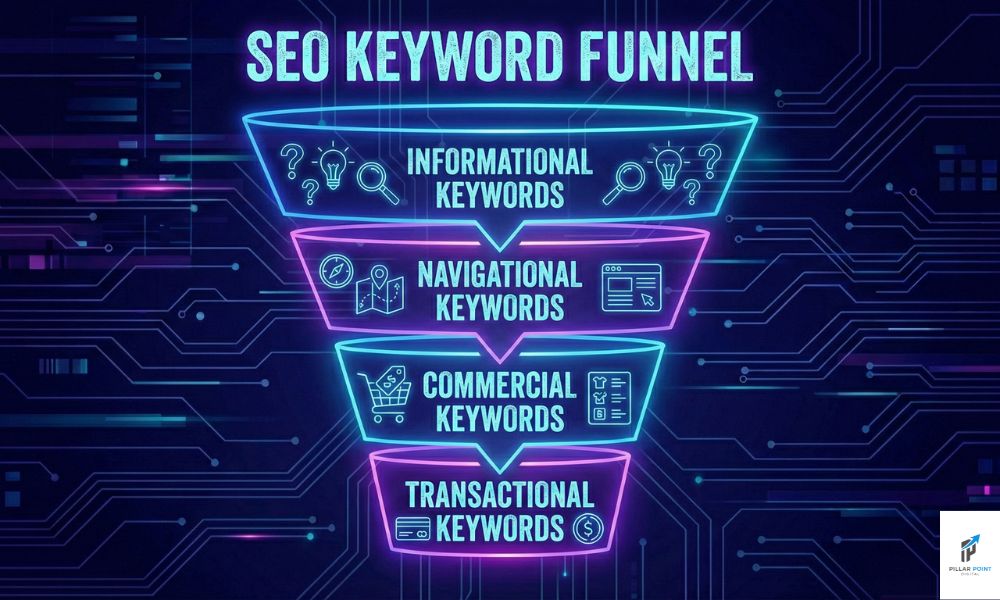
Transactional (AI can’t complete purchases…yet) – “buy golf clubs online” – “engagement rings Seattle” – “hire SEO agency”
Comparison (people want real opinions) – “Ahrefs vs SEMrush” – “lab grown vs natural diamonds” – “Shopify vs WooCommerce”
Experience-Based (only humans have lived experience) – “I tested 10 SEO tools for 6 months” – “mistakes I made optimizing Google Ads” – “how we increased client ROAS 150%”
Tools We Use:
Ahrefs – Keyword research, backlinks, competitor analysis etc (lots of tools).
Google Search Console – What we’re already ranking for, having many impressions, and what pages to target.
Answer the Public – Question-based queries to find KW opportunities.
SemRush – Keyword research, backlinks, competitor analysis (team members are split on Ahrefs vs SemRush as their favorite…so why not have both!) growth in your organic traffic. Guaranteed.
Our Keyword Research Process:
- Start with business goals – What do you sell? Who buys it?
- Find competitor keywords – What are they ranking for?
- Prioritize by:
- Search volume
- Difficulty score
- Business value
- E-E-A-T potential (can we prove expertise?)
For our golf client, we targeted:– Awareness: “best golf clubs for beginners”
– Consideration: “hybrid clubs vs fairway woods”
– Decision: “buying new golf clubs”
2. Content Quality Over Quantity
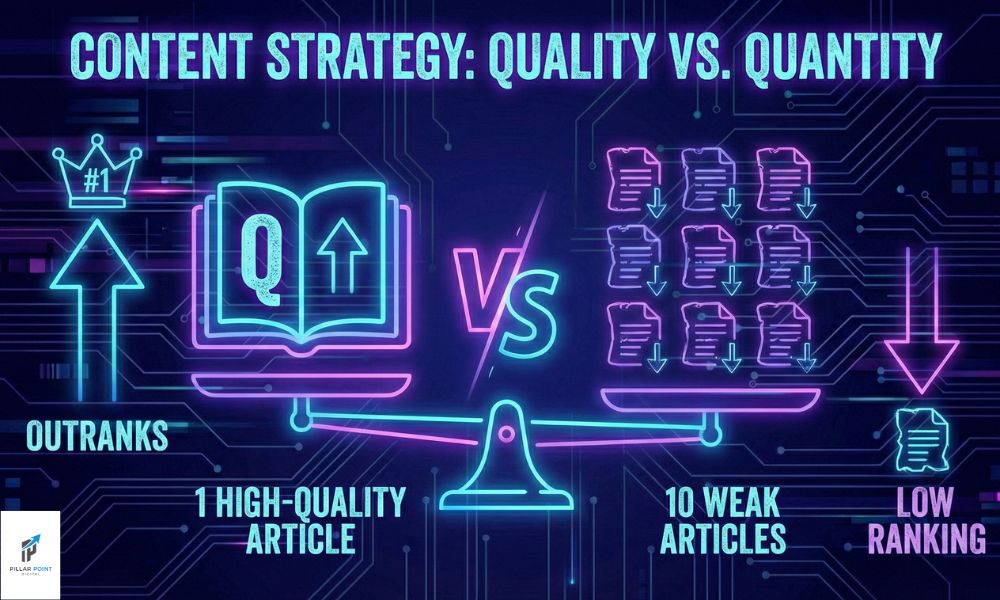
Here’s a truth bomb: One exceptional article beats 10 mediocre ones.
What “Quality” Means in 2026:
✅ First-hand experience – I tested this, I did this, here’s what happened
✅ Complete answers – Don’t make people click 3 more articles
✅ Original insights – Something AI couldn’t generate from training data
✅ Specific examples – Real numbers, real screenshots, real names
✅ Actually helpful – Would you send this to a friend?
What Doesn’t Work:
❌ AI-generated articles at scale
❌ Thin content just hitting word count
❌ Rehashing what’s already been said
❌ Generic advice with no proof
Real Data:
Google’s December 2025 Core Update specifically targeted:
– Sites with lots of thin content
– Content created for search engines, not humans
– AI content without original insights
Sites that got hit? Big content farms publishing 30-50 AI articles per day.
Sites that thrived? Small creators with authentic voices and real experience.
3. Technical SEO Still Matters
If your site is slow or broken, nothing else matters. You could have the best content in the world, but if Google’s bots can’t crawl it or users bounce because it’s slow, you won’t rank.
The Non-Negotiables:
Page Speed (Target: Under 3 Seconds)
Why it matters: Google uses page speed as a ranking factor. More importantly, users bounce if pages load slowly.
How to fix:
– Use WebP files for images
– Compress images (use TinyPNG or ImageOptim)
– Enable browser caching – Minimize CSS and JavaScript
– Use a CDN for faster delivery
– Choose fast hosting (don’t cheap out here)
– Follow Google PageSpeed recommendations
Test with: Google PageSpeed Insights or GTmetrix
Mobile-First Indexing
Google indexes your mobile site first. If your mobile experience sucks, you won’t rank—even if your desktop site is perfect.
Check:
– Does your site work on phones?
– Are buttons/links easy to tap?
– Is text readable without zooming?
– Do images load properly?
Test on real devices, not just desktop browser resizing.
Core Web Vitals
Google cares about:
– LCP (Largest Contentful Paint): How fast main content loads (target: under 2.5 seconds)
– FID (First Input Delay): How quickly site responds to interactions (target: under 100ms)
– CLS (Cumulative Layout Shift): Does content jump around while loading? (target: under 0.1)
Check in: Google Search Console → Core Web Vitals report
Schema Markup (More Important in 2026)
Schema helps Google (and AI) understand your content.
Essential schema types:
– Article schema for blog posts
– Product schema for e-commerce
– Local Business schema for local companies
– FAQ schema for Q&A sections
Test your schema: Google’s Rich Results Test
Clean Site Architecture
- Logical URL structure (/blog/seo-guide) not (/p=12345)
- XML sitemap submitted to Search Console
- Robots.txt configured correctly
- No orphan pages (pages with no internal links)
- 5-10 internal links per page
Quick Technical Wins (Do These This Week):
- Run Google PageSpeed Insights on your top 5 pages
- Compress all images over 100KB
- Fix any crawl errors in Search Console
- Add schema markup to your homepage and top articles
- Check mobile usability issues
- Enable HTTPS if you haven’t (seriously, do this now)
Real Example:
One of our clients had a beautiful site, great content, but it loaded in 8-10 seconds. We compressed images, enabled caching, and switched to better hosting. Load time dropped to 2.3 seconds.
Rankings improved across the board within 3 weeks. Why? Better user experience = better rankings.
4. Backlinks Aren’t Dead (But Quality Matters More Than Ever)
High-quality backlinks are still a major ranking signal. But the game has changed.
In 2010, you could buy 1,000 directory links for $50 and rank. In 2026, one quality backlink from a relevant, authoritative site beats 1,000 spammy links.
What Actually Works for Link Building: (basics)
Guest Posting (Done Right)
Bad approach:
– Mass email 500 sites with generic pitch
– Write low-quality article
– Only goal is getting a link
– Never interact with site again
Good approach:
– Target 10 highly relevant, quality sites
– Personalize every pitch
– Create genuinely valuable content
– Build real relationship
Email Template That Works:
“Hi [Name],
I’m [Your Name], founder of [Company]. I’ve been reading [Their Site] for a while—your article on [Specific Article] really helped me understand [specific thing].
I have an idea for a guest post that would add value to your readers: [Specific Title]. It would cover [Brief Description] with real examples from [Your Experience].
Would this fit [Their Site]?
Best, [Your Name]”
Creating Linkable Assets
Build resources people WANT to link to:
– Comprehensive guides (like this one)
– Original research or data
– Free tools or calculators
– Industry surveys
– Infographics
Example: We created a comparison checklist for our clients blog. Other sites linked to it because it was genuinely useful.
Digital PR and Media Outreach
Get featured in publications:
– Use HARO (Help a Reporter Out) to respond to journalist queries
– Follow journalists on Twitter covering your industry
– Create newsworthy content (original research, controversial takes, unique data)
– Send personalized pitches to writers
Broken Link Building
Find dead links on relevant sites, offer your content as replacement:
- Use Ahrefs to find broken links in your niche
- Create content that matches or improves on dead page
- Email: “Hey, noticed you link to [Dead URL] on [Page]. That page is down. I have a similar resource at [Your URL] if you’d like to update.”
Building Real Relationships
The most underrated strategy:
– Comment thoughtfully on industry blogs (not spam)
– Share others’ content genuinely
– Attend industry conferences
– Join communities (Reddit, Slack groups, forums)
– Collaborate on projects
Links often come naturally from real relationships.
What to Avoid (These Will Hurt You):
Buying links – Against Google guidelines, high penalty risk
PBNs (Private Blog Networks) – Google catches these
Mass directories – Waste of time
Comment spam – Obvious and ineffective
Reciprocal schemes – “You link me, I link you” – Google sees this
NEW: Brand Mentions Count Too
In 2026, Google considers brand mentions (even without links) as authority signals.
If Forbes writes about your company (no link), Google still counts it as validation.
How to earn mentions:
– Do interesting things worth mentioning
– Share original data or research
– Have a unique POV
– Build relationships with journalists
Timeline Reality:
Good link building takes time. Expect:
Month 1: Set up outreach, make initial contacts
Month 2-3: First guest posts published, relationships forming
Month 4-6: Natural links starting to come in
Month 6+: Momentum builds, links come more naturally
Don’t expect instant results. This is a long game.
Part 3: What’s Actually NEW in 2026
This is where things get interesting. Here’s what’s genuinely different this year.
1. E-E-A-T Is the #1 Ranking Factor
I already mentioned this, but it’s so important I’m covering it with specific implementation tactics.
Google can now detect whether you actually know what you’re talking about. This is their weapon against the flood of AI-generated garbage.
E-E-A-T Explained:
- Experience – Have you actually done what you’re writing about?
- Expertise – Do you have real knowledge/credentials?
- Authoritativeness – Are you recognized in your field?
- Trustworthiness – Can people trust your information?
How Google Evaluates EEAT:
They look beyond what you say about yourself on your site. They check:
– Do other sites mention or cite you?
– Do you appear on podcasts, in news articles, on other authority sites?
– Are you cited as a source by AI systems?
– Do reviews and testimonials back up your claims?
– Does your LinkedIn/socials prove your background?
You can’t fake this anymore.
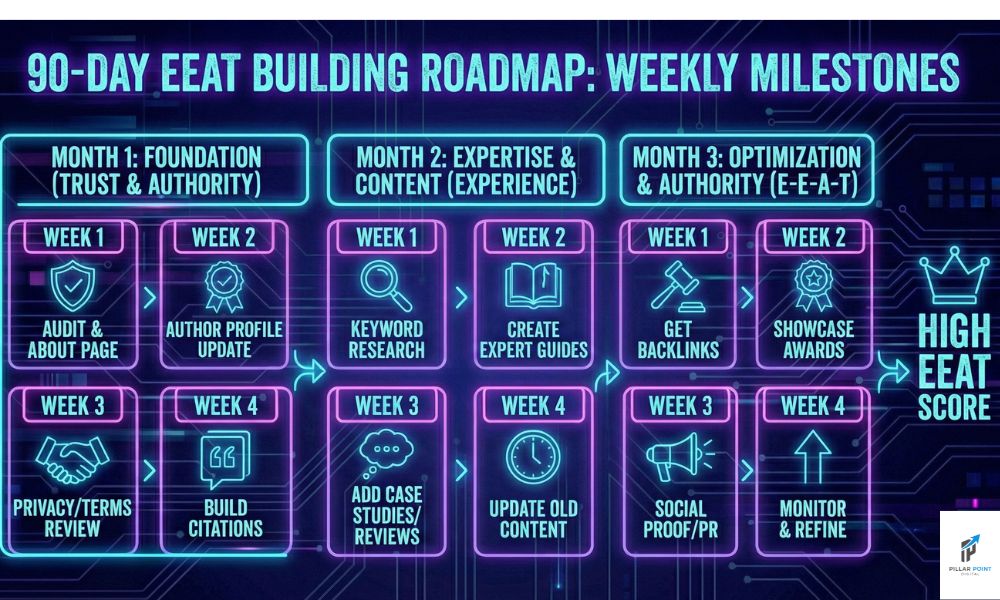
Step-by-Step: Building EEAT in 90 Days
Days 1-7: Author Attribution
Create a proper author bio for everyone who writes on your site.
Bad bio: “John is a marketing expert with years of experience.”
Good bio: “Tyler Deitering founded Pillar Point Digital in 2025, a digital marketing agency managing SEO and Google Ads for e-commerce and SaaS. He’s managed over $500K in total ad spend, with an average client ROAS of 5.5. Previously, he led digital marketing success at [Previous Company] for 6 years. He’s been featured on [Podcast Names] and contributed to [Publications].”
Elements of a strong bio:
– Full name and credentials
– Specific experience (years, $ amounts, client types)
– Measurable results – External validation (media, podcasts, publications)
– Links to LinkedIn, social profiles
Days 8-14: Add First-Person Experience
Go through your top 10 articles and add first-person experience.
Before: “SEO tools can help businesses improve rankings.”
After: “After testing 24 SEO tools over 6 months managing campaigns for our clients, I found that Ahrefs consistently provided the most actionable data. Here’s what made it worth the $99/month for our agency…”
Days 15-21: Create a Case Study
Document one success story with real data.
Include:
– Client industry and challenge
– What you did (strategy, tactics)
– Specific results (numbers, screenshots)
– Timeline
– Lessons learned
Days 22-30: External Validation
Start building social proof outside your website.
Reach out to:
– 5 podcasts in your industry
– 3 industry publications for guest posts
– Request reviews from satisfied customers
– Get testimonials with full names/companies
– Ask clients if you can create case studies
Days 31-60: Ongoing Authority Building
- Share insights on LinkedIn weekly
- Comment on industry discussions
- Attend one conference or virtual event
- Do 1-2 podcast interviews
- Publish 1-2 guest posts
Days 61-90: Advanced EEAT Tactics
- Create original research or survey
- Get quoted in industry news
- Speak at an event
- Build relationships with journalists (use HARO)
- Create a resource other sites want to link to
E-E-A-T Mistakes to Avoid:
Generic bios with no specifics
Claiming expertise without proof
Using fake credentials or made-up experience
Thin content with no depth
No author attribution at all
How to Check Your EEAT:
Ask yourself: Would I trust this information if I found it on someone else’s site? Can someone verify my credentials easily? Do I cite sources and back up claims? Have I actually done what I’m writing about? Would Google be able to confirm my expertise from third-party sources?
If you can’t answer yes to all of these, you have E-E-A-T work to do.
2. The AI Search Reality Check
Everyone’s freaking out about ChatGPT and Perplexity. Let me give you the reality.
What’s Actually Happening:
- ChatGPT has gained users, but Google still dominates
- AI Overviews affect top-of-funnel content more
- Bottom-funnel (buying intent) largely unaffected
- If you rank in Google with strong EEAT, you’ll get cited in ChatGPT too
My Controversial Take:
Don’t abandon Google SEO to chase ChatGPT optimization. Focus on Google, and AI search follows naturally.
Why? ChatGPT pulls from the same web Google indexes. Strong Google rankings = citations in AI answers.
What We’re Monitoring:
- Some informational queries lost clicks (10-20%)
- Transactional content still converting
- Local searches unaffected
- Overall traffic still growing
Strategy: Keep doing quality SEO. Don’t panic about AI search.
3. Video SEO Is Essential Now
YouTube is the second-largest search engine. If you’re ignoring video, you’re leaving opportunity on the table.
Why Video Matters:
YouTube videos appear in Google search results
- Blog posts with embedded videos rank better
- Video builds trust faster than text
- AI can’t replicate authentic video (yet)
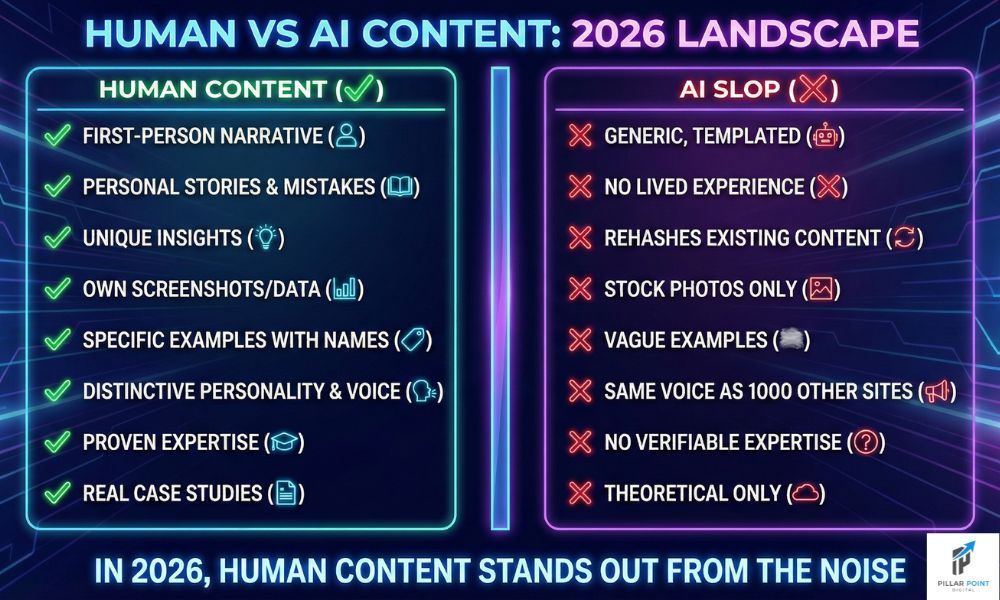
4. Human Content Beats AI Slop
Here’s the beautiful irony: In an AI-driven world, human content has never been more valuable.
Why? Because everyone else is publishing AI-generated mediocrity.
What Makes Content “Human”:
✅ First-person narrative (“I tested this…”)
✅ Personal stories and mistakes
✅ Unique insights AI couldn’t generate
✅ Your own screenshots and data
✅ Specific examples with names and numbers
✅ Personality and voice
The Solo Creator Opportunity:
Small bloggers are outranking major brands because:
– They write from lived experience
– They can’t be replicated by AI
– They build real relationships
– Their E-E-A-T is genuine
5. Title Tags Need Personality
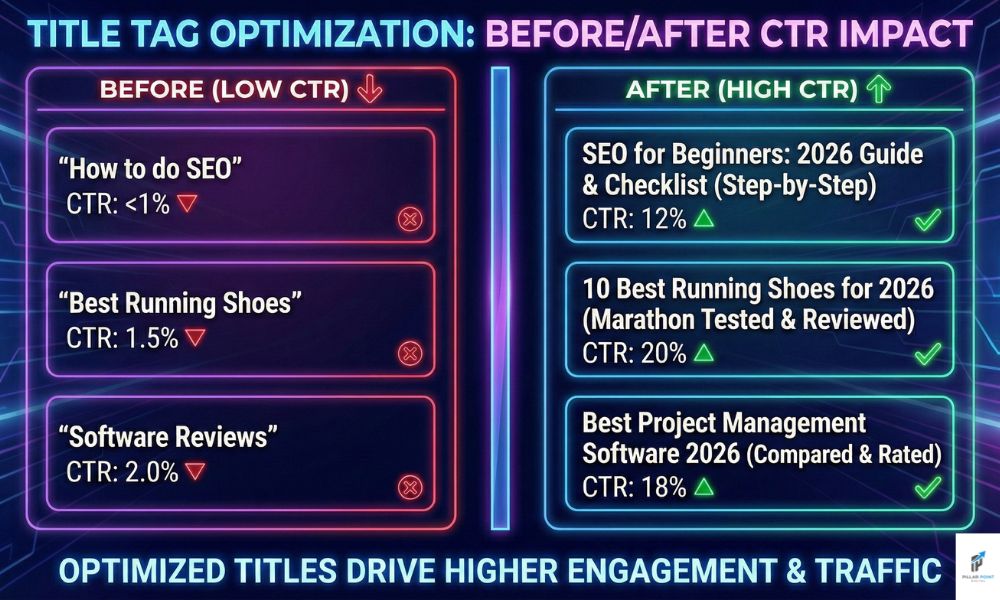
CTR (click-through rate) now heavily influences rankings.
Old SEO Titles (Generic):
– “10 Best Golf Clubs 2026”
– “SEO Guide for Beginners”
– “How to Do Keyword Research”
New High-CTR Titles:
– “I Tested 10 Golf Clubs for 6 Months
– “Here’s What I’d Actually Buy”
– “The Only SEO Guide You Need in 2026 (From a Working Agency)”
– “How I Do Keyword Research That Actually Drives Sales”
What Changed:
✅ First-person pronouns (I, we, my)
✅ Specificity (6 months, working agency)
✅ Emotional hooks (tested, actually, only)
✅ Promises you can deliver on
Critical Rule: Don’t Lie
If your title says “I tested 10 tools” – you better have actually tested them.
Clickbait that doesn’t deliver hurts your EEAT and rankings.
6. Branded Search Tactics
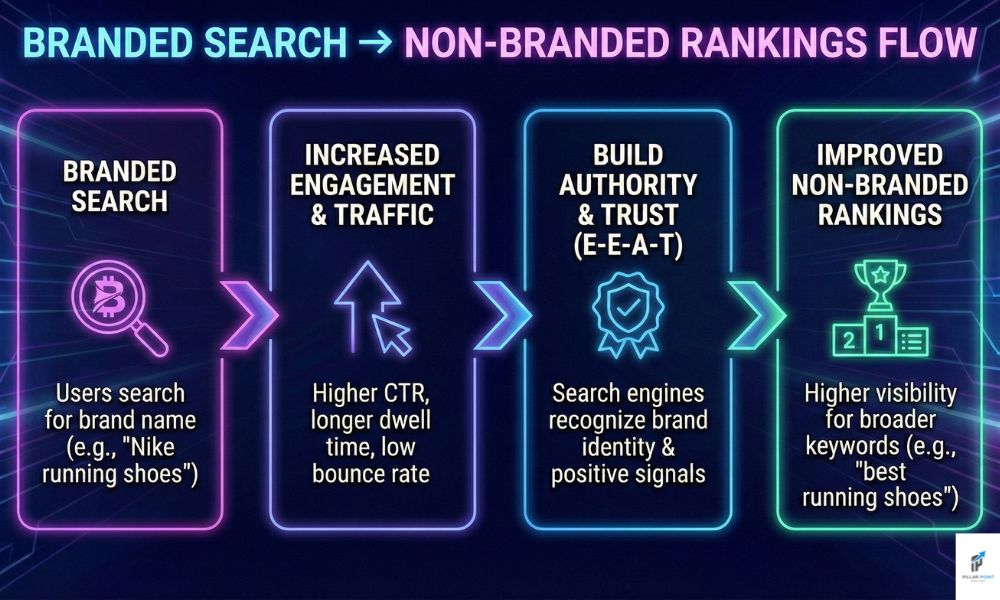
This is underrated: When your branded search volume increases, it lifts ALL your rankings.
The Strategy:
When people search “[Your Brand] + [keyword]”, Google associates your brand with that keyword.
Fake Example: The Pooky Effect
Pooky (lamp company) wanted to rank for “rechargeable lights.”
They created TikTok content featuring their rechargeable lights.
People saw videos → searched “Pooky rechargeable lights” on Google
Google noticed pattern → associated Pooky with “rechargeable lights”
Result: They now rank #4 for “rechargeable lights” (non-branded).
How to Apply This:
- Create social content mentioning your brand + target keyword
- Get influencers to mention your brand
- Do podcast appearances
- Get media coverage
- Email marketing mentioning keywords
Part 4: What NOT to Do in 2026 SEO
Let’s talk about what will hurt you.
1. AI Content at Scale
Yes, everyone’s doing it. Thousands of AI articles published daily.
Why it’s bad:
– Google’s detecting it better
– Provides no unique value
– Zero EEAT signals
– High penalty risk
Sites publishing 30-50 AI articles per day got hammered in the December 2025 update.
Better: Use AI for outlines and research. Write the content yourself with real experience.
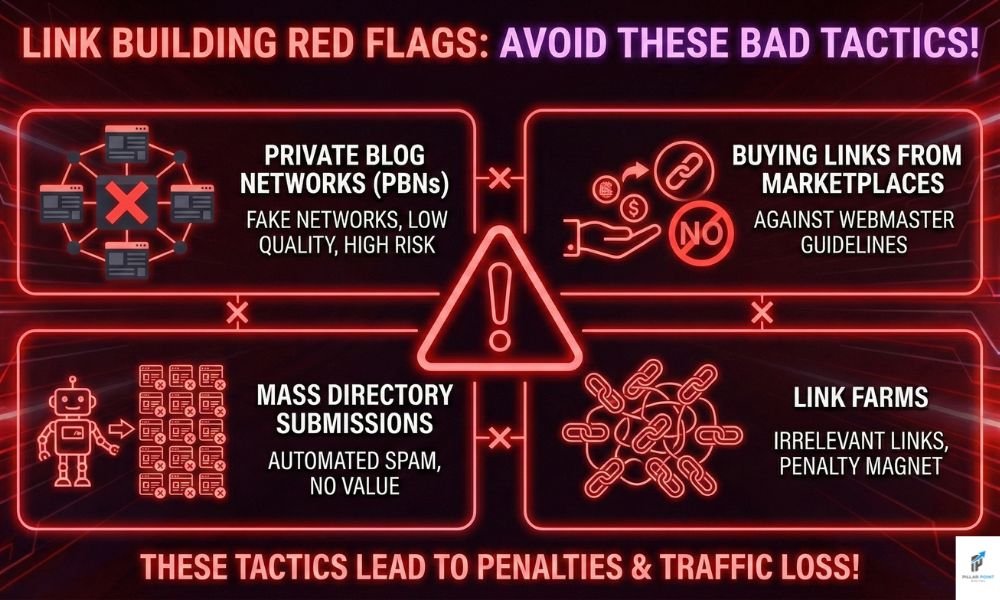
2. Black Hat Link Building
Don’t do this:
– Private blog networks (PBNs)
– Buying links from marketplaces
– Mass directory submissions
– Link farms
Why: Manual penalties can tank your rankings overnight. Recovery takes months or years.
3. Ignoring Mobile
If your site doesn’t work on mobile, you won’t rank. Period.
Google uses mobile-first indexing. Your mobile site IS your site.
4. Chasing Every Trend
New tools launch weekly. New tactics get hyped constantly.
Don’t: Chase every shiny object.
Do: Master fundamentals, then selectively experiment.
5. Over-Optimizing for AI Search
Don’t abandon proven Google SEO for ChatGPT hype.
Google = 90%+ of traffic. Focus there.
Conclusion: The Real Opportunity
Here’s the truth: AI made it easier to create content, but authentic human content has never been more valuable.
Everyone’s terrified AI is killing SEO. But I see the opposite.
The businesses thriving in 2026: – Double down on authenticity – Demonstrate genuine expertise – Create real value – Build trust
This isn’t about gaming algorithms. It never was.
It’s about understanding what people search for (demand) and creating the best resource to help them (supply).
Yes, tactics evolve. Yes, adapt to AI Overviews. But the core hasn’t changed:
Serve people. Prove expertise. Build trust. Create value.
Your Next Step
You made it through 4,000+ words. Don’t let this overwhelm you.
Pick ONE thing to do this week.
Maybe:
– Run an SEO audit
– Rewrite 3 title tags
– Add first-person experience to your best article
– Create your first YouTube video – Reach out to one podcast
Just start. Then next week, do one more thing.
SEO is a marathon. Every small action compounds.
Tools to use on your journey:
– Google Search Console (free, essential)
– Google Analytics 4 (free, essential)
– Google PageSpeed Insights (free)
– Ahrefs (paid, worth it)
Final Thought
SEO in 2026 isn’t about tricks or hacks.
It’s about creating genuine value for real people and letting search engines connect you with those who need what you offer…
Be helpful. Be authentic. Be patient.
The rest follows.
Last Updated: February 2026
Have questions? Contact Us